
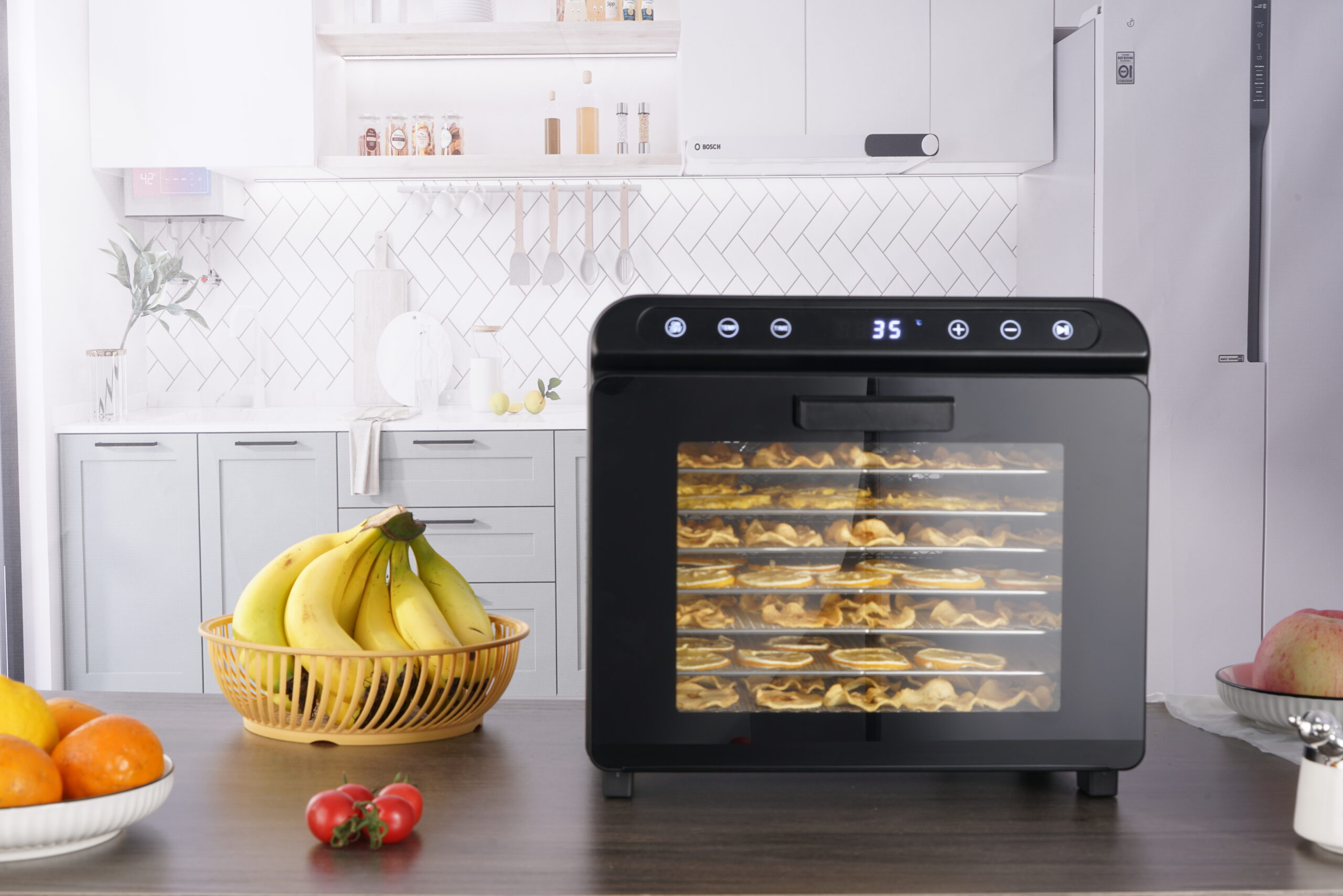
As the Sales Manager at Foshan Linden Intelligent Appliances Co., Ltd., I’m thrilled to help home cooks preserve the vibrant flavors and nutrition of their favorite fruits. From our factory in China, we produce top-quality 12L, 16L, and 30L air fryer ovens, air fryers, and food dehydrators, exported to North America, Europe, Russia, and the Middle East. A question I often hear at trade shows and through our website, lindensmart.com, is: Which method preserves fruit flavor and nutrition better—food dehydrators or traditional drying methods? I’m excited to share my expertise and compare these approaches to help you make the best choice for your kitchen.
In this article, I’ll explore food dehydrators and traditional drying methods, focusing on their ability to retain fruit flavor, nutrition, and quality. Drawing from our experience at Linden, where we design innovative appliances with customizable settings, I’ll break down the pros and cons to guide your decision. Let’s dive into the world of fruit preservation and find the best method for you!
Understanding Food Dehydrators and Traditional Drying Methods
Both food dehydrators and traditional drying methods remove moisture from fruits to extend shelf life, but their processes differ significantly. Understanding these differences is key to choosing the best method for flavor and nutrition.
What Are Food Dehydrators?
Food dehydrators are electric appliances that use controlled heat and airflow to remove moisture from fruits, vegetables, and herbs. Our Linden food dehydrators feature adjustable temperature settings and even airflow, ensuring consistent drying for fruits like apples, mangoes, and berries.
What Are Traditional Drying Methods?
Traditional drying methods include sun drying, air drying, and oven drying. These techniques rely on natural heat, air, or low oven temperatures to dehydrate food. They’ve been used for centuries but vary in precision and efficiency.
Why Compare Flavor and Nutrition?
I’ve seen home cooks prioritize preservation methods that lock in the taste and health benefits of fruits. Comparing food dehydrators and traditional drying methods helps you choose the one that delivers the best flavor and nutrition for your family.
How Food Dehydrators Work
Our food dehydrators use a fan and heating element to circulate warm air across trays, removing moisture efficiently. According to WebMD, dehydrators preserve most nutrients in fruits, making them a healthy snack option. Our models offer adjustable temperatures (90–165°F), allowing precise control for different fruits.
Key Features of Food Dehydrators
- Controlled Heat: Precise temperature settings for optimal drying.
- Even Airflow: Ensures uniform drying across trays.
- Customizable Settings: Tailors drying to specific fruits.
- Fast Process: Dries fruits in 4–8 hours, depending on type.
How Traditional Drying Methods Work
Traditional drying methods rely on external conditions or basic equipment. Sun drying uses solar heat, air drying uses natural ventilation, and oven drying uses low oven temperatures. These methods are less controlled, often taking longer and yielding inconsistent results, per Healthline.
Key Features of Traditional Drying Methods
- Sun Drying: Uses sunlight and outdoor air, weather-dependent.
- Air Drying: Relies on natural ventilation, best for herbs.
- Oven Drying: Uses low oven heat, less precise than dehydrators.
- Low Cost: Minimal equipment needed for sun or air drying.
Comparing Flavor Preservation
Flavor is a top priority when drying fruits. Let’s compare how food dehydrators and traditional methods preserve taste.
Food Dehydrators: Intense, True Flavor
Our food dehydrators excel at preserving fruit flavor. The controlled heat and airflow dry fruits quickly, locking in natural sugars and aromas. For example, our dehydrators can dry mango slices in 6–8 hours at 130°F, retaining their sweet, tropical taste.
Consistent Results
The even airflow in our dehydrators ensures all fruit pieces dry uniformly, preventing over-drying or under-drying that can dull flavor. This consistency enhances the taste of fruits like strawberries or peaches.
Minimal Flavor Loss
Quick drying at optimal temperatures minimizes flavor degradation. According to WebMD, controlled drying preserves volatile compounds responsible for fruit flavor.
Traditional Drying Methods: Variable Flavor
Traditional methods can preserve flavor but are less reliable. Sun drying intensifies sweetness in fruits like apricots but risks overexposure to heat, which can mute delicate flavors. Oven drying, at 200°F, may cook fruits slightly, altering taste, per Healthline.
Sun Drying
Sun drying enhances sweetness but depends on weather. Humidity or excessive heat can lead to uneven drying, affecting flavor consistency.
Oven Drying
Oven drying is faster than sun drying but lacks precise temperature control. Fruits like apples may develop a cooked flavor, reducing freshness.
Air Drying
Air drying is less effective for fruits, as it’s slow and suited for herbs. It often fails to preserve the vibrant taste of fruits like berries.
Comparing Nutrition Preservation
Nutrition is just as important as flavor. Let’s explore how these methods retain vitamins and minerals.
Food Dehydrators: Superior Nutrient Retention
Our food dehydrators preserve most nutrients due to their low, controlled temperatures. For instance, drying bananas at 135°F retains potassium and vitamin C, per WebMD. The quick process minimizes nutrient loss compared to prolonged drying.
Vitamin Preservation
Delicate vitamins like C and A are preserved better at lower temperatures (90–140°F). Our dehydrators allow precise settings, ensuring minimal degradation.
Mineral Retention
Minerals like potassium and magnesium remain intact during dehydration. Our models dry fruits efficiently, maintaining their nutritional value.
Traditional Drying Methods: Variable Nutrient Retention
Traditional methods can degrade nutrients due to inconsistent conditions. Sun drying exposes fruits to UV light, which can destroy vitamin C, per Healthline. Oven drying at higher temperatures may also reduce nutrient content.
Sun Drying
Prolonged sun exposure can break down vitamins A and C. For example, drying oranges in the sun may reduce vitamin C by up to 50%.
Oven Drying
Oven drying at 200°F or higher can degrade heat-sensitive nutrients. Fruits like kiwi may lose significant vitamin content during the process.
Air Drying
Air drying is too slow for most fruits, leading to oxidation and nutrient loss. It’s less effective for preserving nutrition in fruits like mangoes.
Other Factors for Busy Households
Beyond flavor and nutrition, other factors influence which method suits home cooks.
Speed and Efficiency
Food Dehydrators: Fast and Reliable
Our food dehydrators dry fruits in 4–8 hours, depending on the fruit type. The 30L model can handle large batches of apples in one cycle, saving time for busy households.
Traditional Methods: Slower Process
Sun drying takes 2–7 days, depending on weather. Oven drying takes 6–12 hours, and air drying can take weeks. These methods are less efficient for quick preservation.
Ease of Use
Food Dehydrators: User-Friendly
Our food dehydrators feature digital controls and timers, making them easy to use. You can set the temperature for berries (130°F) and walk away, perfect for beginners or busy cooks.
Traditional Methods: More Effort
Sun drying requires constant monitoring for weather changes. Oven drying needs frequent checking to prevent overcooking. Air drying is labor-intensive, requiring setup and space.
Consistency and Control
Food Dehydrators: Precise Control
Our dehydrators offer adjustable temperatures and even airflow, ensuring consistent results. This precision prevents flavor or nutrient loss, delivering high-quality dried fruits every time.
Traditional Methods: Less Control
Traditional methods lack precision. Sun drying depends on weather, oven drying risks uneven heat, and air drying is slow and inconsistent, affecting quality.
Space and Setup
Food Dehydrators: Compact Design
Our food dehydrators are countertop-friendly, ideal for small kitchens. The compact design fits easily in apartments or busy households, requiring minimal setup.
Traditional Methods: Space-Intensive
Sun drying requires outdoor space and good weather. Oven drying ties up your oven for hours. Air drying needs well-ventilated areas, which may not suit all homes.
Health and Safety Considerations
I’m passionate about safe, healthy food preservation. Our food dehydrators meet UL and CE standards, using food-safe materials to ensure no contamination. They’re designed for consistent, safe drying without risk of mold or bacteria.
Traditional methods pose risks. Sun drying can attract insects or contaminants if not properly covered. Oven drying at high temperatures may cause uneven drying, increasing spoilage risks, per FDA guidelines.
Practical Applications for Fruit Drying
Both methods suit different drying scenarios. Here’s how they fit into your kitchen.
Food Dehydrators: Efficient, Large-Scale Drying
Our food dehydrators are perfect for drying large batches of fruits like apples, bananas, or strawberries. They’re ideal for families or gardeners preserving seasonal harvests quickly and consistently.
Traditional Methods: Small-Scale or Low-Tech Drying
Sun drying suits small batches in sunny, dry climates. Oven drying works for occasional drying but ties up your oven. Air drying is best for herbs, not fruits, due to its slow process.
Quality and Reliability
At Linden, quality is our cornerstone. Our food dehydrators undergo rigorous testing to ensure durability and consistent performance. Home cooks trust us for appliances that preserve flavor and nutrition reliably.
Logistics and Customer Support
From my experience with global buyers, logistics matter. Our food dehydrators are lightweight and easy to ship, ensuring timely delivery worldwide. We streamline production to meet tight schedules. Need help? I’m here at sales1@fslinden.com for expert advice.
SEO-Friendly Tips for Choosing a Drying Method
To pick the best method for drying fruits, here are tips optimized for search terms like “food dehydrators vs traditional drying” or “best fruit drying methods”:
- Prioritize Consistency: Choose food dehydrators for reliable results.
- Focus on Speed: Opt for dehydrators for faster drying.
- Check Nutrition: Look for methods that preserve vitamins.
- Read Reviews: Explore platforms like CNET for insights.
- Test at Trade Shows: Try appliances hands-on to evaluate performance.
Final Thoughts: The Best Choice for Flavor and Nutrition
As someone who loves helping home cooks preserve fruits, I’m confident our food dehydrators are the superior choice for most households. Their precise control, fast drying, and ability to retain flavor and nutrition make them ideal for consistent, high-quality results. Traditional drying methods are cost-effective but lack the reliability and efficiency needed for optimal preservation. Your choice depends on your drying needs, time constraints, and kitchen setup.
Ready to preserve fruits perfectly? Visit lindensmart.com to explore our food dehydrators, or email me at sales1@fslinden.com for personalized guidance. Let’s keep your fruits flavorful and nutritious!
Meta Title: Food Dehydrators vs Traditional Drying: Best for Fruit Flavor and Nutrition
Meta Description: Compare food dehydrators and traditional drying methods for preserving fruit flavor and nutrition. Find the best method for your kitchen.